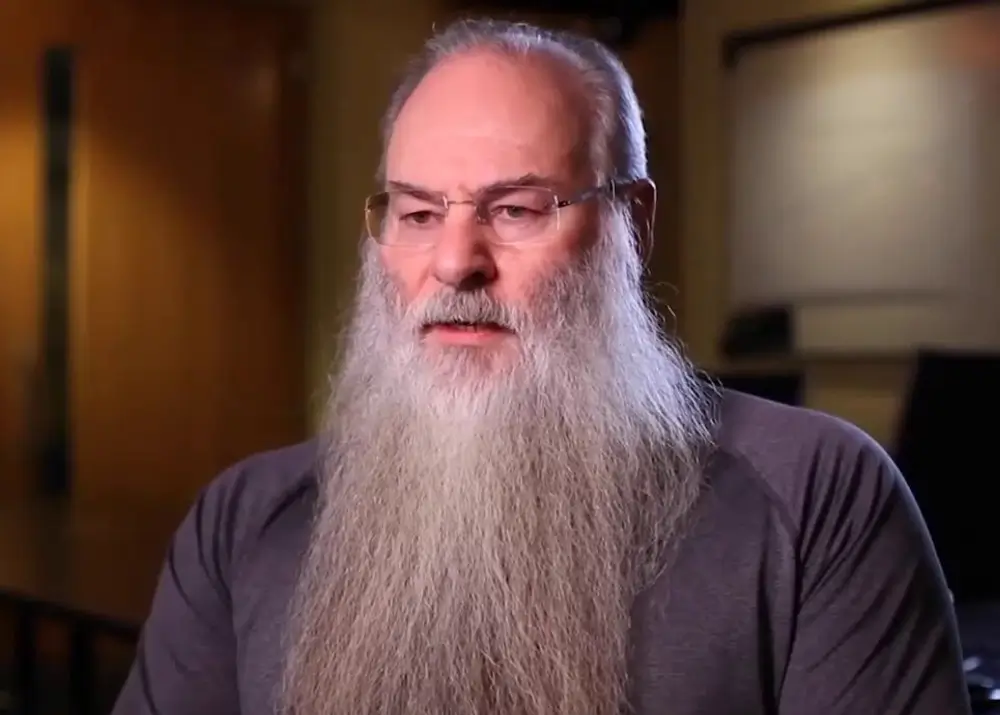
Most people who build billion-dollar companies through acquisitions want the world to know it. Mark Leonard built one of the great acquisition machines of the last thirty years and made sure almost nobody could put a face to the name. No interviews, no keynote circuit, barely a handful of photographs in public. And yet the company he built — one that grew by buying hundreds of small software businesses and never selling a single one — has quietly become one of the most studied stories in modern business.
Before founding Constellation in 1995, Mark spent eleven years in venture capital. He holds a Bachelor of Science from the University of Guelph and an MBA from the University of Western Ontario. It was in venture capital that he noticed something most investors overlooked: small, profitable vertical-market software companies — the kind that run niche industries like library systems or marina management — were too small for private equity to bother with, and too unglamorous for venture capital’s usual playbook of quick exits. Mark saw the opposite opportunity. He didn’t want to flip these businesses. He wanted to own them forever.
A Playbook Nobody Else Was Running
What separates Mark from most acquirers isn’t the buying — it’s what happens after. Constellation doesn’t centralize the companies it acquires. It doesn’t strip out management or force a single culture onto every business unit. Instead, it lets each acquired company keep running with its own team, its own customers, and its own decision-making, while Constellation funnels capital back into finding the next acquisition. Mark has said plainly that he believes autonomy motivates people and bureaucracy does the opposite — and he built an entire company structure around that belief.
The results speak for themselves without needing embellishment. Constellation went public in 2006 and has become one of the most consistent compounding stories in the software industry, expanding into hundreds of businesses across dozens of verticals and multiple continents, including operations in the U.S., the U.K., Germany, Italy, Brazil, and beyond. Analysts and investors have drawn comparisons to Warren Buffett’s approach at Berkshire Hathaway — a long-term owner who buys good businesses and leaves them alone to keep being good businesses.
Stepping Back, Not Stepping Away
In late 2025, Mark stepped down as Constellation’s president, citing health reasons, and handed the role to longtime colleague Mark Miller, who had co-founded Trapeze Group, the very first company Constellation acquired back in 1995. Mark Leonard remains on the board. It’s a fitting handoff — the first acquisition’s founder now leading the company that grew out of that first deal.
What makes Mark’s story remarkable isn’t just the scale of what he built. It’s that he built it without ever needing the spotlight. In an industry full of people chasing recognition, he chased something quieter: a business model that worked, over and over, without him having to explain himself to anyone.