The venture capital industry has a diversity problem so profound it borders on the absurd. Despite representing the majority of consumers and half the workforce, women receive just 2% of all venture capital funding. Founders of color fare even worse. For decades, this inequity was treated as an unfortunate side effect of an otherwise functional system. But what happens when someone decides the system itself is the problem? What occurs when an outsider with nothing to lose decides to build an entirely new investment model from scratch?
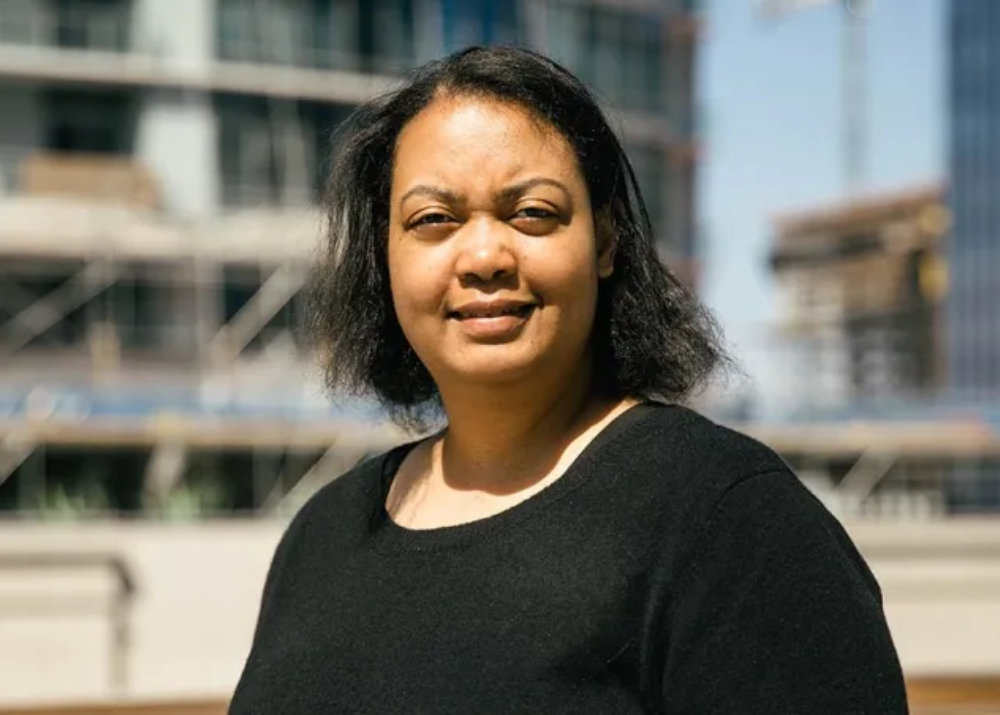
This is the story of how one woman transformed personal rejection into systematic revolution—and in the process, proved that betting against the status quo isn’t just morally right, it’s extraordinarily profitable. Meet Arlan Hamilton, the founder who turned being shut out of venture capital into shutting down its most limiting assumptions.
The Unlikely Beginning: From Music Manager to Investment Revolutionary
Arlan Hamilton didn’t start her career planning to revolutionize venture capital. She began in the music industry, founding indie magazine Interlude and managing artists for Atlantic Records. But by her early thirties, Hamilton found herself in a position that millions of Americans know too well: unemployed, nearly broke, and sleeping on friends’ couches.
What made her situation unique wasn’t the homelessness—it was what she did with it. While couch-surfing and living in airports, Hamilton discovered the world of venture capital through tech blogs and startup stories. The more she learned, the more obvious the problem became: an industry that prided itself on spotting overlooked opportunities was systematically overlooking the biggest opportunity of all—investing in underrepresented founders.
Most people in Hamilton’s situation would have focused on finding stability. Instead, she saw a market failure so glaring it represented the business opportunity of a lifetime. The question wasn’t whether underrepresented founders could build successful companies—the question was why no one was systematically investing in them.
Building Backstage Capital: The Bootstrap Revolution
In 2015, Hamilton founded Backstage Capital with a radical thesis: invest exclusively in companies founded by women, people of color, and LGBTQ+ entrepreneurs. The name itself was strategic—a nod to the backstage areas where the real work happens, away from the spotlight but essential to the show.
Her timing seemed impossible. She had no traditional investment experience, no wealthy network, and no track record that venture capital typically values. But Hamilton understood something her better-credentialed competitors missed: when you’re building a portfolio around founders that others systematically ignore, you don’t need to compete on traditional metrics. You need to compete on vision.
The early days were brutal. Hamilton pitched her fund concept to traditional investors who couldn’t understand why anyone would limit their investment universe. They saw her focus on underrepresented founders as a constraint; she saw their blindness to diverse founders as the real limitation.
Despite the skepticism, Hamilton raised approximately $30 million for Backstage Capital—not through traditional institutional investors, but through a combination of family offices, individual investors, and corporations that understood demographic trends better than most venture firms.
The Investment Philosophy: Data Over Demographics
What separated Hamilton from both traditional VCs and well-meaning diversity initiatives was her rigorous focus on business fundamentals. Rather than making investments based on social impact alone, she identified underrepresented founders who were building scalable businesses with strong unit economics and clear paths to profitability.
Her investment thesis wasn’t charity—it was mathematics. If women, people of color, and LGBTQ+ founders represent the majority of consumers but receive only a fraction of venture funding, then the market is systematically undervaluing this talent pool. For an investor willing to look where others won’t, that represents extraordinary opportunity.
Hamilton’s approach proved prescient. Backstage Capital has invested in over 200 companies, building a portfolio that spans industries from fintech to healthcare to consumer goods. These weren’t token investments or small checks—these were substantial bets on founders building category-defining companies.
The portfolio includes companies like Walker & Company Brands (acquired by Procter & Gamble), Mayvenn (a successful hair extension marketplace), and dozens of other ventures that traditional VCs passed over. Each success validated Hamilton’s core thesis: the problem wasn’t a lack of investable companies founded by underrepresented entrepreneurs—the problem was a lack of investors willing to look for them.
Beyond Capital: Building Ecosystem Infrastructure
Hamilton understood that writing checks was only part of the solution. She launched multiple initiatives designed to address the systemic barriers facing underrepresented founders. This included accelerator programs, educational content, and networking events that created the kind of ecosystem support that founders from traditional backgrounds took for granted.
Her book “It’s About Damn Time,” published by Penguin Random House in May 2020, became both memoir and manifesto. Rather than simply telling her personal story, Hamilton used the book to provide actionable advice for other entrepreneurs facing similar systemic barriers. It was another example of her approach: turn personal experience into systemic solutions.
The book’s success—becoming a business bestseller and earning speaking opportunities at major conferences—demonstrated Hamilton’s understanding of a crucial principle: changing an industry requires more than good investments. It requires changing the narrative about who can be an investor and who deserves investment.
Personal Authenticity as Business Strategy
Hamilton’s personal life, including her marriage to German composer Anna Eichenauer in 2019, became part of her professional brand—not through oversharing, but through authentic representation. As an openly gay Black woman in venture capital, her very presence challenged industry assumptions about who belongs in investment decision-making roles.
This authenticity wasn’t just admirable—it was strategically brilliant. Founders from underrepresented backgrounds often struggle to connect with investors who can’t relate to their experiences or understand their market insights. Hamilton’s background allowed her to spot opportunities that others missed, not despite her identity but because of it.
Her approach proved that diversity isn’t just about fairness—it’s about competitive advantage. When your lived experience aligns with underserved market segments, you can identify business opportunities that traditional investors literally cannot see.
The Strategic Evolution: From Growth to Sustainability
In December 2024, Hamilton made a surprising announcement: she was stepping down as Managing Partner of Backstage Capital. The firm announced it would focus on follow-on investments in existing portfolio companies rather than making new initial investments.
For traditional business observers, this might seem like retreat. But Hamilton’s decision reflects sophisticated strategic thinking about sustainable impact. Rather than indefinitely expanding, she recognized when her model had proven its point and achieved its primary objectives.
The transition allows Hamilton to focus on other initiatives while ensuring Backstage Capital’s portfolio companies continue receiving support. It’s a masterclass in knowing when to evolve your role to maximize long-term impact—the kind of strategic thinking that separates truly effective leaders from those who mistake activity for progress.
The Multiplication Effect: Inspiring Ecosystem Change
Hamilton’s success has created ripple effects throughout venture capital. Major firms have launched diversity initiatives, expanded their sourcing strategies, and hired more diverse investment teams. While cynics might dismiss this as performative response, the practical result is increased capital flowing to previously overlooked founders.
More importantly, Hamilton demonstrated that focused investment in underrepresented founders isn’t charity—it’s shrewd business. Her portfolio’s performance proved that the venture capital industry’s diversity problem wasn’t just morally wrong, it was economically inefficient.
Lessons for Modern Business Leaders
Hamilton’s journey offers several crucial insights for contemporary business leaders:
First, market inefficiencies often hide in plain sight. The venture capital industry’s systematic underinvestment in diverse founders was obvious to anyone willing to look at the data objectively. Hamilton’s success came from treating obvious inequity as obvious opportunity.
Second, authenticity can be competitive advantage. Hamilton’s background allowed her to evaluate opportunities that traditional investors couldn’t properly assess. In increasingly diverse markets, leaders who can authentically connect with varied customer bases have sustainable competitive advantages.
Third, sustainable change requires systematic thinking. Hamilton didn’t just write checks—she built ecosystem infrastructure, created educational content, and challenged industry narratives. Real change happens when individual success creates systemic transformation.
Finally, knowing when to evolve is as important as knowing how to build. Hamilton’s decision to step back from day-to-day management reflects sophisticated understanding of how to maximize long-term impact rather than short-term visibility.
The Lasting Impact: Revolution Disguised as Business
Arlan Hamilton‘s story represents more than individual success—it’s a blueprint for how outsiders can transform entire industries by treating exclusion as market opportunity. She proved that the most profitable investments often come from betting against conventional wisdom, especially when that conventional wisdom systematically excludes entire populations.
Her journey from homelessness to Harvard Business School case studies demonstrates that revolutionary change often comes from the margins, not the center. By refusing to accept that her lack of traditional credentials disqualified her from venture capital, Hamilton created new pathways for others while building a successful business.
For business leaders across industries, Hamilton’s approach offers a compelling framework: identify systematic inefficiencies, build solutions that address root causes rather than symptoms, and create sustainable models that turn individual success into systemic change. It’s not just about doing well by doing good—it’s about recognizing that doing good often represents the best business opportunity available.
And in the current rapidly evolving business landscape, that kind of visionary leadership isn’t just admirable—it’s essential.