There is a debate happening inside the most powerful technology companies in the world. It does not appear in press releases. It rarely surfaces in earnings calls. But it shows up in resignation letters — and in early 2026, there have been quite a few of those.
When the head of the Safeguards Research team at Anthropic walked out, he did not go quietly. He published a two-page letter warning that “the world is in peril.” Days later, a research scientist at OpenAI resigned with a public op-ed in the New York Times, drawing a direct comparison between OpenAI’s current direction and what went wrong at Facebook — that particular comparison landing like a grenade in a room full of people who thought they were building something different. These were not disgruntled employees. These were the people hired specifically to make sure things did not go wrong.
That is the texture of the debate right now. Not abstract, not theoretical — people leaving their jobs over it.
What the Argument Actually Is
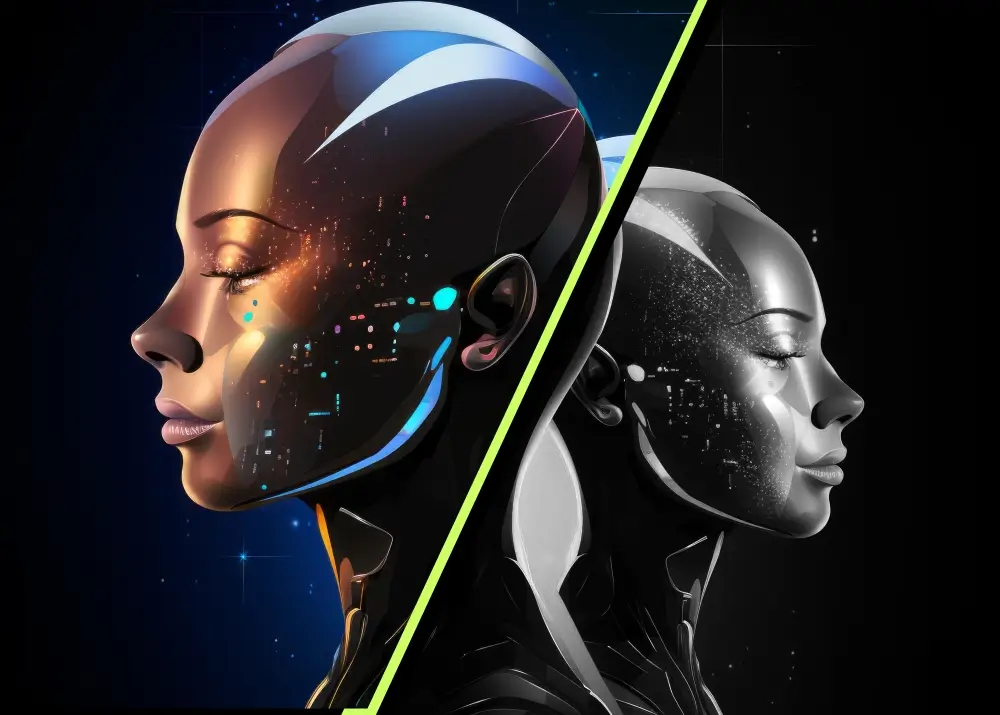
Strip away the jargon and two genuine positions sit across the table from each other. One says: move fast, ship continuously, let the market and the technology itself reveal the problems, then fix them. The logic here is competitive — if you slow down, someone else won’t. And if that someone else is a government, or an adversary, or a company with fewer principles, the outcome of caution might be worse than the outcome of speed. This camp is not populated by reckless people. Many of them believe they are doing the responsible thing — getting powerful AI into the hands of institutions and individuals who will use it well, before those who won’t use it well get there first.
The other position says: that reasoning has been used to justify moving fast in every industry that later caused widespread harm, and it was wrong then too. The difference with AI is that certain categories of mistake may not be recoverable. You can recall a car. You cannot recall a model that has already been deployed into critical infrastructure, military decision-making, or the intimate daily lives of hundreds of millions of people who have come to depend on it.
Neither side is lying. That is what makes this genuinely hard.
What It Means for Every Business Leader Using AI
This debate is not just an internal matter for Silicon Valley. Every organisation deploying AI — in HR, in customer service, in finance, in healthcare — is inheriting the consequences of whichever side of this argument its AI vendor is currently losing. The speed-first approach means capabilities arrive faster, but also means that edge cases, failure modes, and misuse vectors may not be understood until after deployment. The safety-first approach means slower rollout, more friction, but a greater chance that the thing your teams are relying on actually behaves the way you think it does.
Neither model is without risk. But one of them requires you, the buyer, to be more vigilant.
The companies being asked to integrate AI into consequential workflows have a stake in this debate that goes well beyond philosophy. In markets requiring frontier-level AI capabilities, safety built into the architecture enables and speeds enterprise deployment, rather than slowing it — and companies that build trust into their core systems are closing the largest contracts faster. That is not a safety argument. That is a business argument.
The Question No One Wants to Answer
At the heart of the safety-versus-speed debate is a question that the industry has been successfully avoiding: who is responsible if it goes wrong? Not legally — that conversation is happening in courts and legislatures worldwide — but operationally. Who, inside these organisations, has the actual authority to slow something down? The technology, one departing researcher warned, has a potential for manipulating users in ways the industry does not yet have the tools to understand, let alone prevent.
The debate — known within tech circles as e/acc versus decels — has been making the rounds in Silicon Valley since 2021. What has changed is that it is no longer a fringe conversation between ideological camps. It is now a governing tension inside the largest and most funded AI companies in the world, playing out in real time through departures, policy reversals, board decisions, and government hearings.
The fault line is real. It runs through every major AI company. And the businesses building on top of these platforms would do well to know which side of it their vendor is standing on — because eventually, that choice will surface in their own operations too.