Every industry has a moment where it gets too clever for its own good. Finance hit that moment years ago. Spreadsheets multiplied. Jargon piled up. And somewhere in the noise, the simple truth about money — that it’s driven far more by behavior than by formulas — got buried under complexity nobody asked for.
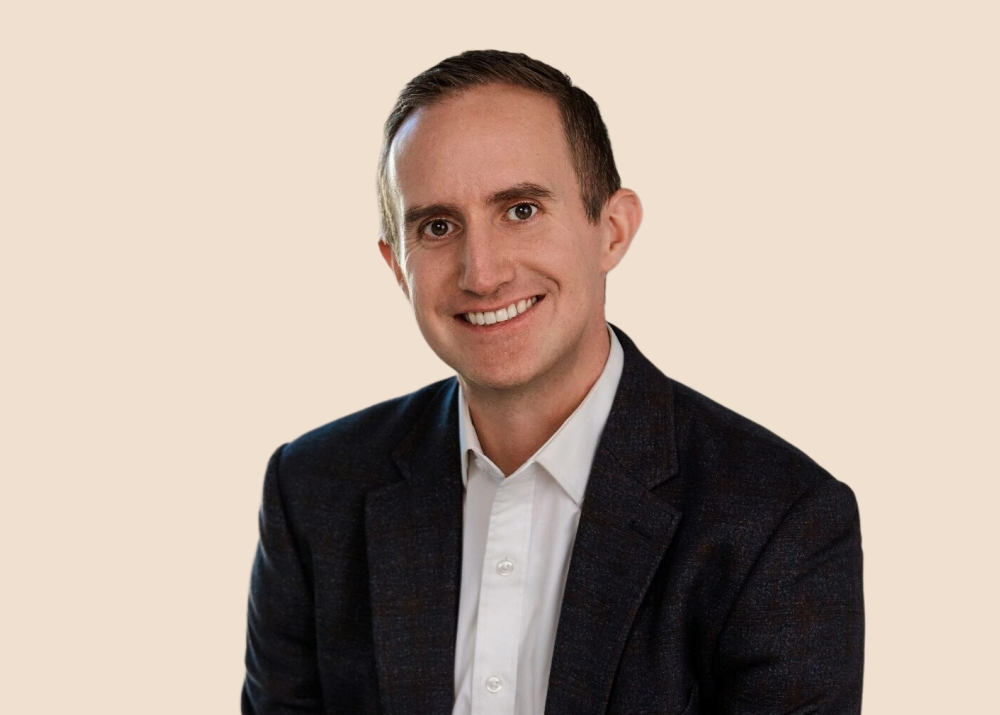
Morgan Housel built a career on digging that truth back out.
He didn’t do it with credentials that scream authority. He studied economics at the University of Southern California, after starting out at a community college in Truckee and a year at the University of Nevada, Reno — a path that looks nothing like the pedigree Wall Street usually demands. What Morgan had instead was a writer’s instinct: the ability to take something dense and hand it back to people in a shape they could actually hold onto.
From Financial Columns to Global Bestseller Lists
Morgan’s early career was built column by column. He started as a writer at The Motley Fool, later becoming a senior analyst there, and picked up a parallel byline at The Wall Street Journal along the way. It was unglamorous, deadline-driven work — the kind that either sharpens a writer or breaks them. It sharpened him. His columns earned him the Best in Business Award from the Society of American Business Editors and Writers, not once but twice, along with the New York Times Sidney Award and multiple nods for the Gerald Loeb Award, financial journalism’s most respected honor. MarketWatch would go on to name him among the most influential voices in markets.
In 2016, Morgan stepped away from daily journalism to become a partner at The Collaborative Fund, a venture firm known for backing companies at the intersection of business and culture. That move gave him something most financial writers never get: a seat inside the decisions he used to write about, without losing the outsider’s clarity that made his writing worth reading in the first place.
The Book That Changed the Conversation
Then came The Psychology of Money. It didn’t try to out-math the market or predict the next crash. It made one argument, over and over, from different angles: how you behave with money matters more than how much you know about it. Greed, fear, envy, patience — Morgan treated these as the real variables, not footnotes. Readers who’d never opened a finance book found themselves finishing this one in a weekend. It became a New York Times bestseller and turned Morgan into one of the most quoted voices in personal finance, not because he simplified the subject, but because he refused to overcomplicate it.
Same as Ever followed, extending that same instinct — using history’s quiet, repeating patterns to make sense of an uncertain present. And recently in the late 2025, Morgan returns with The Art of Spending Money: Simple Choices for a Richer Life, shifting the lens from how we save to how we spend, and what a genuinely well-spent life looks like once the noise of status and comparison is stripped away.
An Approach Built on Subtraction, Not Addition
Ask Morgan what separates good financial decisions from bad ones, and the answer is rarely a strategy. It’s usually a mindset. He’s spoken often about valuing control over your own time above almost anything money can buy, and about how confidence tends to outrun ability faster than people realize — a warning as relevant in a boardroom as it is in a brokerage account. His writing doesn’t chase trends or headlines. It chases the handful of ideas that were true a hundred years ago and will still be true a hundred years from now.
That’s a rare discipline in an industry addicted to prediction. Morgan built his authority by doing less of it — by resisting the urge to forecast and instead explaining the timeless mechanics of human behavior around money. For a business audience drowning in dashboards and quarterly noise, that restraint is the whole point.
He now also sits on the board of Markel and hosts his own podcast, but the throughline across everything he does remains the same: strip an idea down until it’s simple enough to remember, honest enough to trust, and useful enough to change how someone makes their next decision. In an industry built on complexity as a status symbol, Morgan Housel made his name doing the opposite — and business readers everywhere are better for it.