Hospitals are often remembered for their doctors, their technology, or their world-class facilities. Rarely does anyone pause to think about the meal served to a patient lying in bed. Yet, that very meal can decide how fast a patient recovers, how satisfied they feel, and how much dignity they retain through the healing process. This is where healthcare catering shifts from being “just food” to becoming an invisible but powerful form of care.
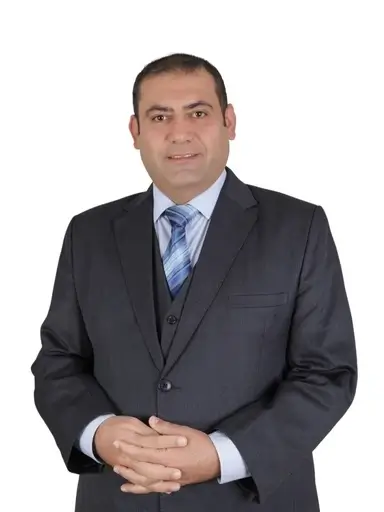
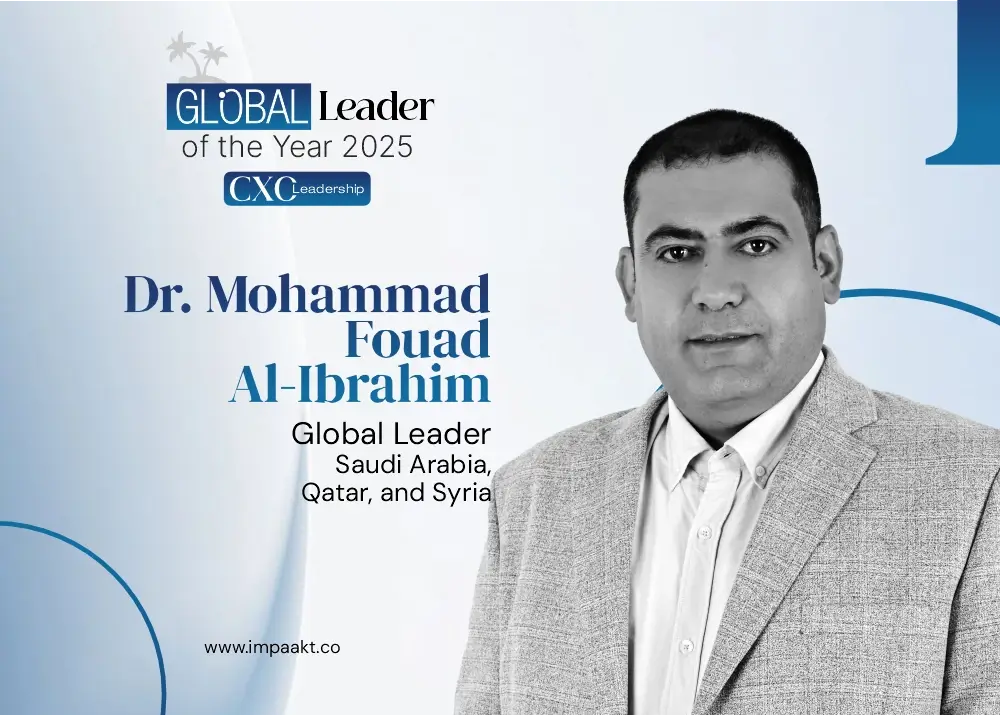
In Saudi Arabia, this shift is being championed by Dr. Mohammad Fouad Al-Ibrahim. With over 16 years of cross-border experience, he has turned catering into a science of healing and comfort—scaling operations, modernizing standards, and creating systems where innovation and compassion work hand in hand.
For Dr. Fouad, food is not a service; it is a promise—to patients, to hospitals, and to the Kingdom’s vision for world-class healthcare. His journey is proof that leadership is not measured only in revenue growth or efficiency gains, but in the human lives touched by every meal.
Moved by his vision and impact, we engaged in a conversation with Dr. Fouad to uncover the story of the leader who is redefining healthcare catering in Saudi Arabia.
Below are the excerpts from the interview:
Dr. Mohammad, let’s begin with your journey. From operations and quality to now spearheading healthcare catering —what have been some defining moments that shaped you as a leader?
My career spans over 16 years across healthcare, catering, and facilities management in Saudi Arabia, Qatar, and Syria. Each stage has been a stepping stone in shaping the leader I am today.
One defining chapter was at Almajal Servicemaster G4S, where I managed patient meal services for King Fahd and King Abdulaziz hospitals. Coordinating meals for 1,000+ patients daily gave me a firsthand understanding that catering in healthcare is not about volume alone, it is about precision, dignity, and care. This experience grounded my belief that food is part of the healing process.
Another milestone was modernizing Almajal Central Production Unit, which supplied more than 50 sites across the Kingdom. By implementing HACCP and ISO 22000 standards and optimizing processes, we increased efficiency, cut waste, and elevated food safety. That transformation taught me how innovation, compliance, and culture change can go hand in hand.
The most pivotal moment came when I joined Catrion Catering Holding Co. to establish and expand the healthcare division. Starting almost from scratch, we built a business unit that grew revenues by more than 25% annually, managed budgets exceeding SAR 80M, and expanded operations nationwide. This phase taught me resilience, the power of vision, and the importance of building future leaders who can sustain and scale success.
What does leadership mean to you today in the context of healthcare catering—especially in a region as dynamic and future-focused as Saudi Arabia?
To me, leadership is about building purpose-driven teams. In healthcare catering, it is not enough to deliver food—we deliver comfort, nutrition, and healing. Leadership means creating an environment where every employee—from chefs to service staff—understands their role in patient care.
In Saudi Arabia, where Vision 2030 is reshaping healthcare and hospitality, leadership also means embracing innovation, digitization, and global best practices while staying rooted in local culture. It is about anticipating future needs, empowering people with training and technology, and ensuring that our services support the Kingdom’s ambitions for world-class healthcare.
You’ve managed large teams, multi-million SAR operations, and complex client needs. How do you ensure alignment between strategy and on-ground execution without losing the human touch?
The balance comes from clear communication, performance discipline, and personal presence. At Catrion, I managed budgets of SAR 80M+ and operations across five regions. The scale is significant, but strategy cannot remain in a document—it has to live on the ground.
I ensure alignment by:
- Breaking down strategic goals into measurable objectives for each team.
- Implementing digital reporting and dashboards that give visibility across all units.
- Maintaining a culture of accountability but also recognition, so staff feel valued.
Equally important, I spend time on the ground—visiting sites, listening to staff, and engaging with clients. When people see leadership present and approachable, they feel connected to the strategy, not just bound by it. That’s how the human touch is preserved in large-scale operations.
Over the past few years, Saudi Arabia has seen a significant transformation in healthcare services. What role do you believe high-quality catering and nutrition services play in this larger healthcare ecosystem?
High-quality catering is no longer a background service—it is a core pillar of patient care. Studies show that nutrition impacts recovery rates, treatment compliance, and overall well-being. In my own career, I’ve witnessed how tailored diet plans and improved meal experiences raise patient satisfaction and clinical outcomes.
Saudi Arabia is moving toward patient-centered care and international accreditation standards. In this context, catering is both medical and experiential. It must deliver therapeutic diets while providing an experience of dignity and compassion. At Catrion, for example, we designed specialized diet plans (frozen, chilled, fresh) tailored to hospital requirements—making nutrition flexible, safe, and patient-friendly.
Could you walk us through a standout project or transformation that you feel proud of?
One project I’m especially proud of was transforming Catrion’s healthcare catering division into a market leader in less than three years. We scaled operations to 50+ sites, managed over 250 employees, and achieved consistent 25% year-on-year revenue growth.
What makes this project stand out is not only the scale but the quality. We implemented ISO 22000 and HACCP standards across all operations, achieving 100% compliance in Ministry of Health audits. We also introduced patient-focused meal delivery innovations, which significantly improved patient satisfaction scores.
This transformation was not just about numbers—it was about proving that healthcare catering in Saudi Arabia can meet international standards while creating measurable clinical and experiential impact.
You’ve led operations with turnovers in the millions. What’s your approach to cost control without compromising service quality—especially in a healthcare setting?
My philosophy is simple: efficiency, not compromise. In healthcare, cost-saving cannot come at the expense of patient safety or service quality. Instead, I focus on three levers:
- Operational optimization – streamlining workflows, minimizing waste, and improving productivity.
- Supplier partnerships – building long-term relationships to secure better terms without sacrificing quality.
- Technology – using data-driven forecasting and monitoring tools to optimize procurement and reduce overproduction.
For example, at Diet Dream Group, I managed SAR 120M budgets and achieved 15% cost reductions by introducing digital monitoring systems—without affecting KPIs or SLAs. The goal is always sustainable efficiency, not short-term cuts.
You’ve worn many hats—from board member to business strategist. What mindset shifts did you have to make while moving between those roles?
The key shift was moving from execution-focused thinking to vision-focused thinking. As an operations manager, I was concerned with daily outputs and compliance. As a strategist and senior leader, I had to look at market positioning, risk management, and long-term sustainability.
I also had to embrace delegation and empowerment. In operations, you often feel the need to control details; at the board level, success depends on trusting and enabling others to deliver. Finally, I had to broaden my definition of results—from immediate cost savings or efficiency gains to intangible but equally critical outcomes like reputation, partnerships, and succession planning.
In your opinion, what’s the next big opportunity in healthcare catering?
The future lies in personalized nutrition, digital integration, and preventive healthcare. With AI and data analytics, we can design diet plans that adapt to individual patient profiles, medical conditions, and recovery stages.
You’ve consistently spoken about raising the standard for healthcare catering. What legacy do you hope to leave behind in the industry?
I want my legacy to be that of a transformational leader who redefined healthcare catering in Saudi Arabia. My goal is for the industry to no longer view catering as an ancillary service but as a vital contributor to patient recovery, hospital reputation, and national health goals.
If I can leave behind stronger systems, trained leaders, and a culture of excellence that continues to thrive without me, I will have succeeded. Ultimately, I want future professionals in this field to feel proud of their role in healthcare, knowing that their work makes a difference in human lives.
Looking back, what advice would you give your younger self stepping into the world of food service operations and business development?
I would tell my younger self three things:
- Embrace change early: Every shift in industry, from digitization to patient-centered models, is an opportunity to lead.
- Invest in people: The greatest results come from empowering teams, not micromanaging them.
- Keep purpose at the center: Food is more than a product—it is care, comfort, and healing.
Above all, I would say: be patient with yourself. Leadership is not about quick wins but about building impact that lasts.