A great piece of entertainment may look effortless on screen. Behind it, however, is a business that rarely is. Ideas have to find audiences, creative teams have to work within commercial realities, processes have to hold under pressure, and every moving part has to move in the same direction.
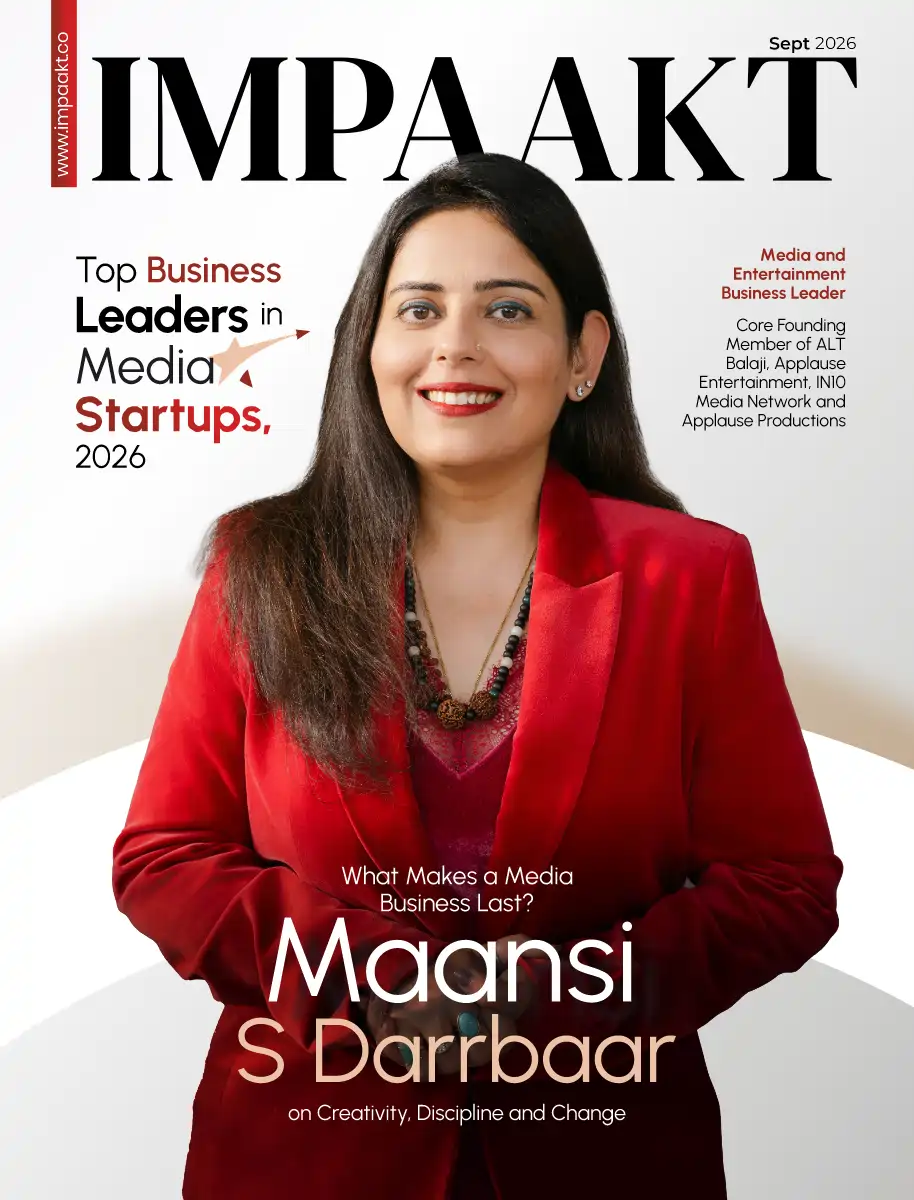
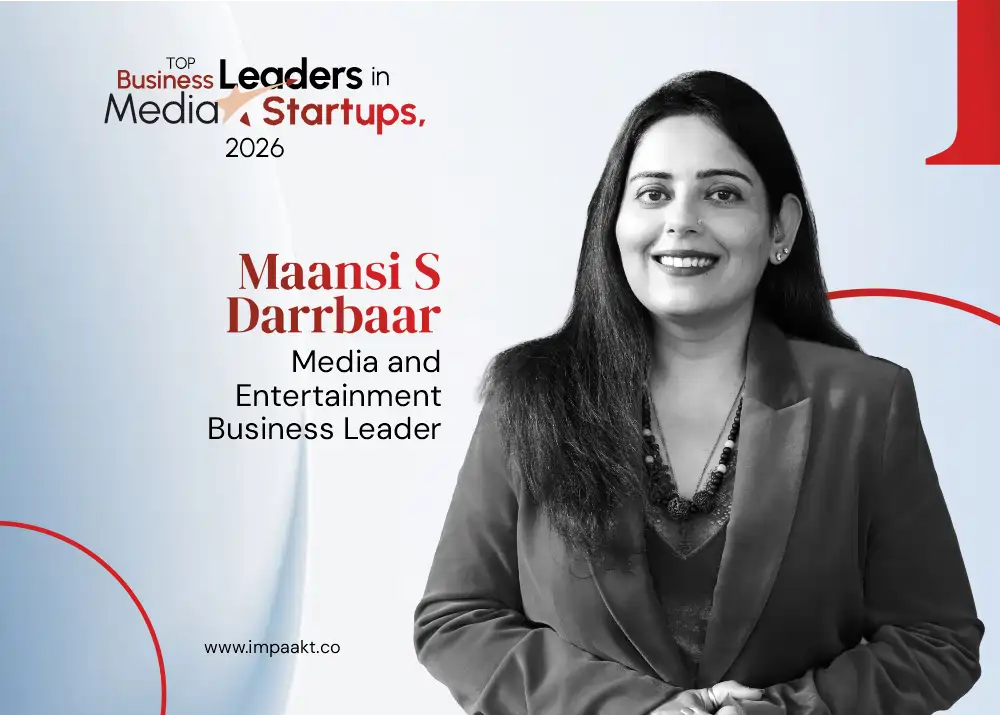
That balance has been central to Maansi S Darrbaar’s journey in media. As a core founding member of ventures including ALT Balaji, Applause Entertainment, IN10 Media Network, now rebranded as The Epic Company, and Applause Productions, she has experienced what it takes to build media businesses from the ground up. Her experience has taken her from creating new ventures to setting up Applause Entertainment’s format business across more than 22 countries, giving her a front-row view of how differently markets operate and why adaptability matters.
Her approach is rooted in a simple belief: creativity needs a business foundation to survive. For Maansi, strong people, clear processes, aligned partnerships and commercial discipline are as important to a media venture as the content it creates.
Inspired by the ventures she has helped build and the larger media businesses she hopes to create, we got into a conversation with Maansi to understand the thinking behind her journey.
Below are the excerpts from the interview:
Maansi, you have spent much of your career at the point where an idea is still taking shape and the business around it has to be built. What have those early, uncertain stages taught you about what it really takes to build a media venture from the ground up?
Building a business from inception is no mean feat. Hence, it takes immense patience, grit, resilience, and eyes focused on the goal to achieve it, no matter what life throws at you.
The media and entertainment industry has gone through enormous shifts in the last decade, particularly with the rise of streaming and the changing ways audiences consume content. Having been part of that transition early on, what do you think the industry understood too late?
It is not really about the industry understanding anything too late, but about being adaptable, innovative, and staying afloat in changing circumstances and evolving consumer patterns, while making the necessary changes in your respective business for it to remain steady.
In a startup, the temptation is often to move quickly and figure things out along the way. In media, however, creative decisions, commercial realities, talent, and operations all have to move together. How do you create that balance without slowing the business down?
If each department is on point with its respective tasks and communicates regularly with all other departments, then it is all achievable, while maintaining speed and efficiency.
You have helped build businesses where content is not simply a product, but also an intellectual property and a long-term business asset. How has your thinking about content evolved as the media industry has become increasingly crowded?
I strongly feel that a great piece of content will always be successful, no matter the format or platform. Whether you watch something on YouTube, Instagram, or a streaming platform, if it is good, it will sell, be viewed by audiences, and be successful.
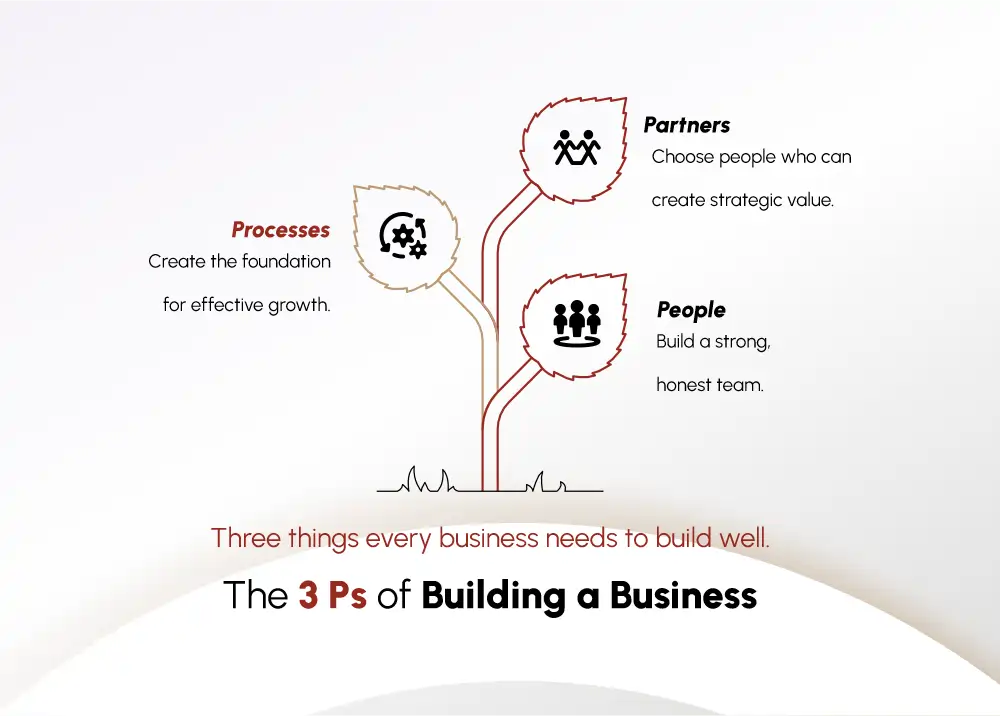
Building a new media business also means building the people, processes, and partnerships that allow it to scale. In your opinion, what are the organisational decisions that can make or break a media startup long before the audience sees the result?
All three Ps mentioned in your question above are critical when building any business in any sector. Without a strong and honest team of people, one cannot achieve success in any business. Without a foundation of processes, no company can run and grow effectively. And without partners who are like-minded, one cannot build strategic value for a business.
Having worked across both the creative and business sides of entertainment, where do you think the two sides most often misunderstand each other, and what have you learned about bringing them onto the same page?
I think everyone in the media and entertainment sector needs to understand that we are in the “Business of Entertainment,” so there has to be a discipline of cost, process, attitude, accountability, and final delivery. One can produce a great piece of art, but if it doesn’t make money, then how will a business run, the company survive, people get employment, and households be supported?
Today, media startups are entering a landscape shaped by streaming fatigue, fragmented audiences, short-form content, AI, and rapidly changing economics. What do you believe a new media founder should be paying attention to that may not be obvious yet?
I believe a new media founder should look for the existing gaps in the media and entertainment sector that can be built into a business model to create democratisation of that specific gap, in turn creating a solution for the entertainment industry.
You have been part of building several ventures, each at a different stage of the media industry’s evolution. When you look back, which decision or turning point most changed the way you approach building businesses today?
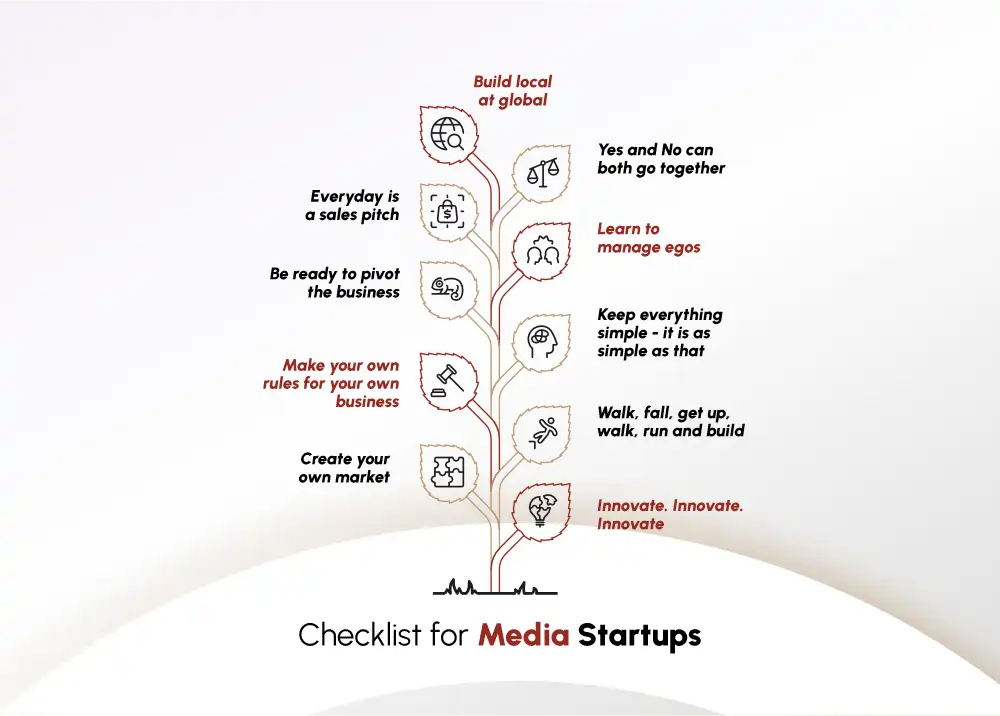
When I set up the format business for Applause Entertainment across 22+ countries worldwide from the ground up, I realised that every country had its own way of dealing with business. So, being versatile was a key factor that made me look at every deal from a new country in a new way.
As media continues to reinvent itself, what kind of businesses, leaders, and stories do you believe will shape the next chapter of the industry, and what would you like your own contribution to that chapter to be remembered for?
I feel the businesses that innovate and don’t become stagnant will continue to stay ahead of the curve.
Leaders who roll up their sleeves and work in an entrepreneurial manner with their teams will create impact.
Stories that are local yet global in their narrative will strike a chord with audiences.
Well, I would like to build multiple global media-tech businesses that stand for Passion, Purpose, and Profit, creating a lasting legacy. This is what I would like to be remembered for.