Wellness has a marketing problem. Not the kind you fix with better campaigns or smarter positioning. The kind where the entire industry has convinced itself that transformation happens in thirty days, that results live in before-and-after photos, and that success means scaling fast and moving on.
We’ve watched this pattern repeat itself. A concept catches fire. Investment pours in. Growth becomes the only metric that matters. Then the founders exit, the culture dilutes, and what started as something meaningful becomes just another transaction. The wellness industry doesn’t lack innovation. It lacks people willing to stay long enough to see their ideas actually work.
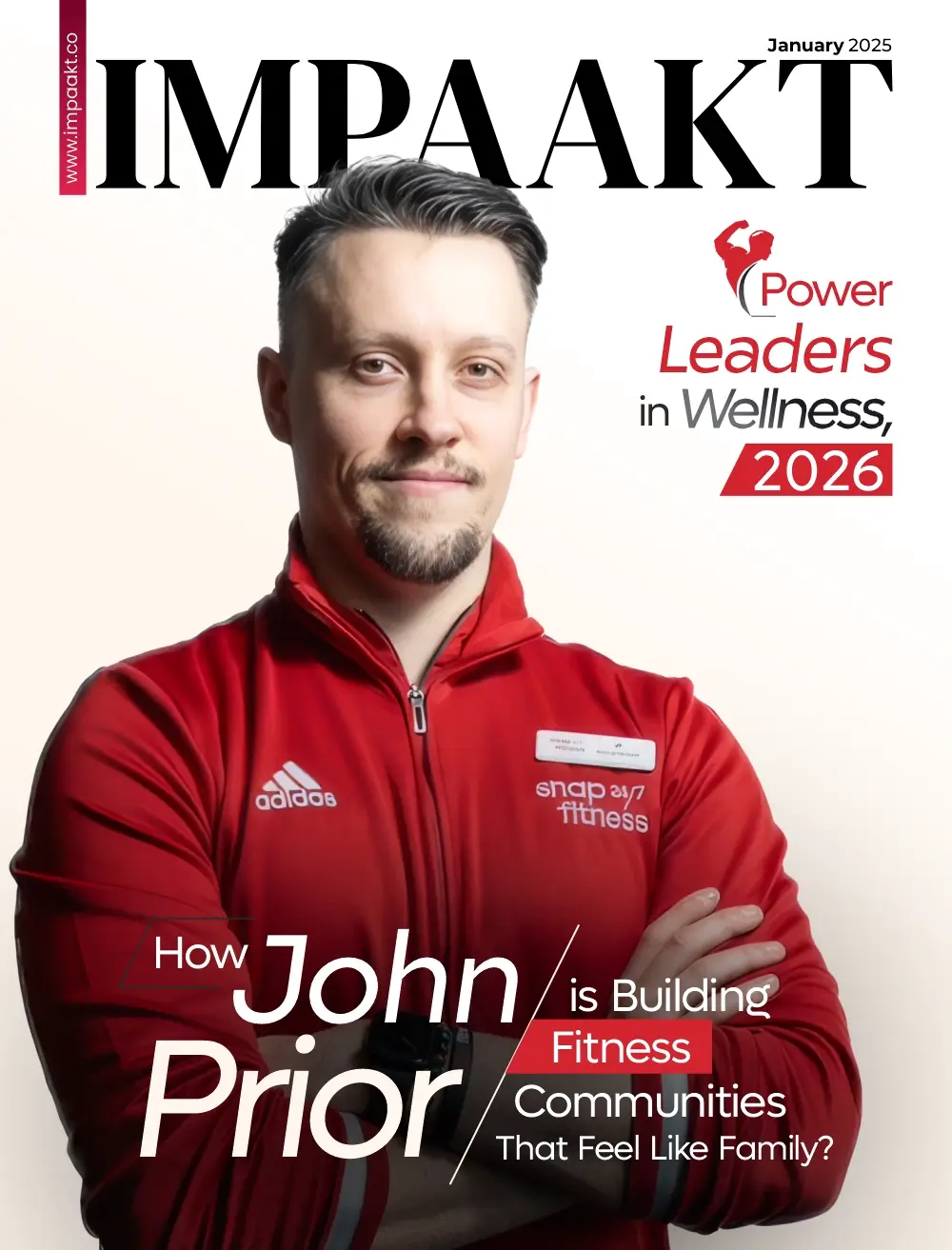
That’s what drew us to this edition of Power Leaders in Wellness, 2026. We wanted to find the ones who stayed. The leaders who didn’t chase the next trend or hand off their vision once the business model proved out. The people building things designed to last, not just designed to sell.
John Prior is one of them. Eighteen years in fitness, and he’s still showing up. Not as a consultant or advisor watching from a distance, but on the floor, in the clubs, with the members whose names he actually knows. While the industry obsesses over tech integrations and premium pricing models, John’s approach remains almost annoyingly simple: treat people like people, and they’ll keep coming back. He started at Snap Fitness learning what members need when they walk in at six in the morning or drag themselves through the door after a terrible day at work. That education shaped everything. Managing clubs across the UK and Wales. Building teams that win awards. Becoming a franchisee. His clubs aren’t just places to work out. They’re mental reset buttons and social anchors, spaces where a member’s personal breakthrough gets the same attention as revenue targets. The franchise model gives him structure. What he’s added is harder to replicate: soul. As he maps expansion across the UK, the question isn’t whether he can grow. It’s whether he can grow without losing what made it matter in the first place.
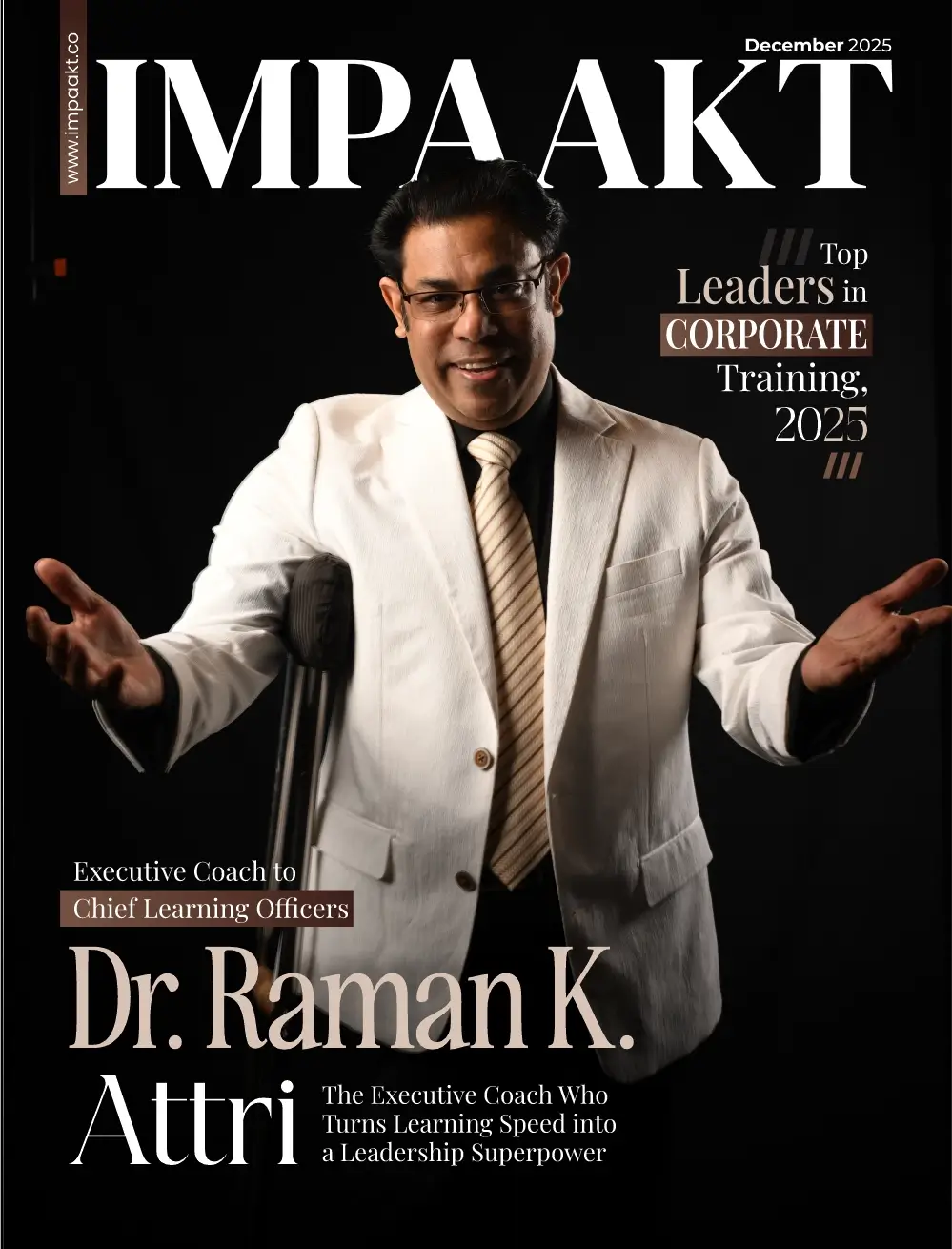
This edition also features leaders who’ve created real waves in wellness. They’re the ones rewriting what’s possible when you commit long enough to see it through.
We’re also exploring how wellness itself is evolving. The shift from preventive to predictive health. The way technology promises access but often creates new barriers. The tension between personalization and equity.
But it all comes back to the same insight: wellness doesn’t need more disruptors. It needs more people willing to stay in the room after the cameras leave. The ones who build culture instead of buying it. The ones who understand that real change doesn’t happen in quarters. It happens in decades.
This edition is for them.