Our bodies, brilliant as they are, come with an expiration date stamped somewhere between heart disease, cancer, Alzheimer’s, or diabetes. For decades, medicine has played defense, waiting for these diseases to show up, then scrambling to manage them. It’s a losing game, and everyone knows it.
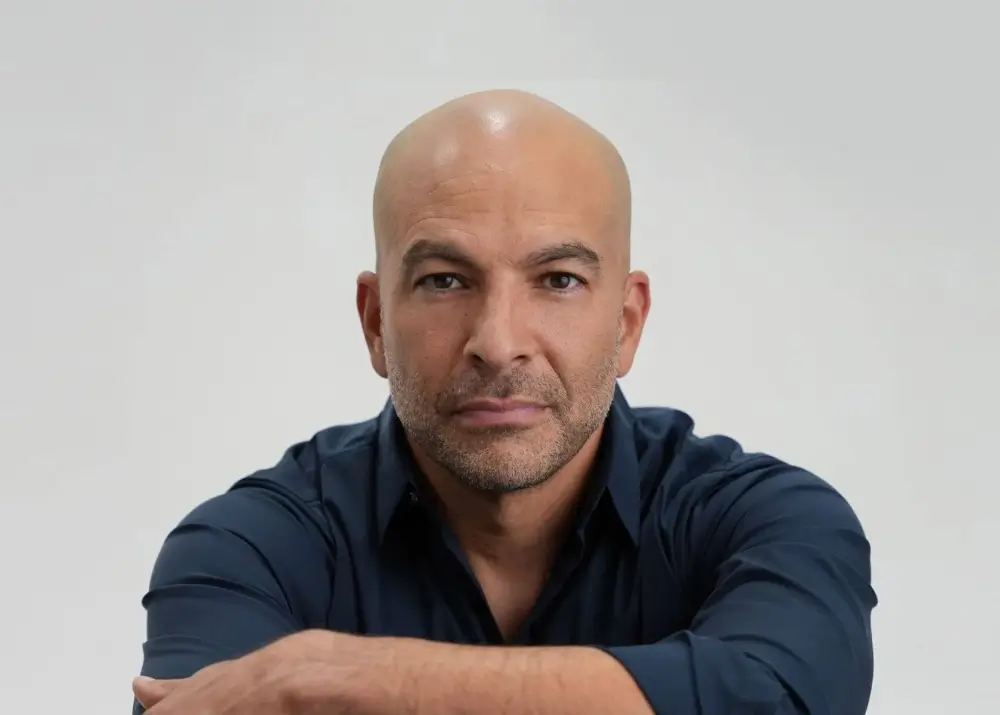
Peter Attia decided to rewrite the rules.
The Surgeon Who Walked Away
Born to Egyptian immigrant parents in Toronto, Attia followed what looked like a perfect trajectory. Queen’s University for engineering and applied mathematics. Stanford for his MD. Johns Hopkins for surgical residency, where he won Resident of the Year. Two years at the National Institutes of Health researching melanoma immunotherapy.
Then he quit.
In 2006, Attia walked away from his surgical residency before completing it. He joined McKinsey & Company instead, working in their healthcare practice. On paper, it made no sense. In reality, it was the beginning of something bigger.
Betting Everything on Time
The conventional medical model frustrated him. Doctors waited for patients to get sick, then tried to fix them. Attia saw it differently. What if you could spot the trajectory toward disease years—sometimes decades—before symptoms appeared? What if you optimized the body like engineers optimize systems?
In 2014, he founded a private clinic built entirely around this concept. He called his approach “Medicine 3.0”, a fundamental shift from reactive treatment to proactive optimization. The goalwas to extend healthspan, the years spent actually healthy and functional, not just alive.
His practice focused on everything traditional medicine often ignored until it was too late: metabolic health, exercise physiology, sleep architecture, nutrition science, emotional wellness. He monitored biomarkers obsessively. He treated aging itself as a condition to be managed.
Building an Empire on Longevity
But Attia knew that a private practice, no matter how effective, could only reach so many people. So he built a platform.
In 2012, he co-founded the Nutrition Science Initiative with Gary Taubes, investing in research to tackle obesity, diabetes, and metabolic disease. He launched “The Peter Attia Drive,” a podcast that would eventually rack up over 100 million downloads. He wrote “Outlive: The Science and Art of Longevity,” which hit number one on the New York Times bestseller list in 2023.
Through it all, he made longevity accessible. His content didn’t require a medical degree to understand. He broke down complex science into frameworks anyone could use: stability, strength, aerobic fitness, anaerobic power. He talked about the “four horsemen” of death—heart disease, cancer, neurodegenerative disease, and metabolic dysfunction—and how to delay their arrival.
Celebrity clients followed. Hugh Jackman became a patient. Chris Hemsworth featured him prominently in the National Geographic series “Limitless.” In January 2026, CBS News hired him as a contributor.
The Business of Not Dying
What Attia built wasn’t just a medical practice; it was a longevity ecosystem. He became an advisor and investor in companies aligned with his mission: Athletic Greens, Oura Health, Zero (a fasting app where he serves as co-founder and Chief Medical Officer), Virta Health, Dexcom.
His YouTube channel surpassed one million subscribers. His approach influenced how millions of people think about exercise, nutrition, sleep, and preventive health. He transformed longevity from a fringe biohacker obsession into a legitimate, science-backed discipline.
The core insight remains radical: most people don’t die suddenly. They die slowly, losing cognitive function, physical capability, or emotional wellbeing years before their hearts stop. Attia’s entire philosophy centers on compressing that gap, making sure the first time you encounter death is the last time.
Medicine’s Next Chapter
Attia represents something the wellness industry desperately needed: clinical rigor without institutional rigidity. He combines Stanford-trained precision with entrepreneurial flexibility. He publishes research, builds businesses, educates millions, and treats individual patients, all under the same mission.
His model challenges every assumption about how healthcare should work. Instead of treating disease, prevent it. Instead of managing decline, optimize performance. Instead of accepting aging as inevitable, treat it as addressable.
The longevity industry is projected to be worth hundreds of billions in the coming decade. Attia didn’t just ride that wave—he helped create it. And unlike most wellness trends built on hope and marketing, his approach rests on data, biomarkers, and outcomes.
He’s proven that you don’t have to choose between scientific credibility and mass appeal. Between treating individual patients and building scalable platforms. Between making money and making impact.
The surgeon who walked away from Johns Hopkins became the physician who walked toward something medicine hadn’t fully embraced: the idea that we don’t have to wait for our bodies to break down. We can optimize them while they still work. We can extend not just lifespan, but the years that actually matter; the ones spent healthy, capable, and alive.