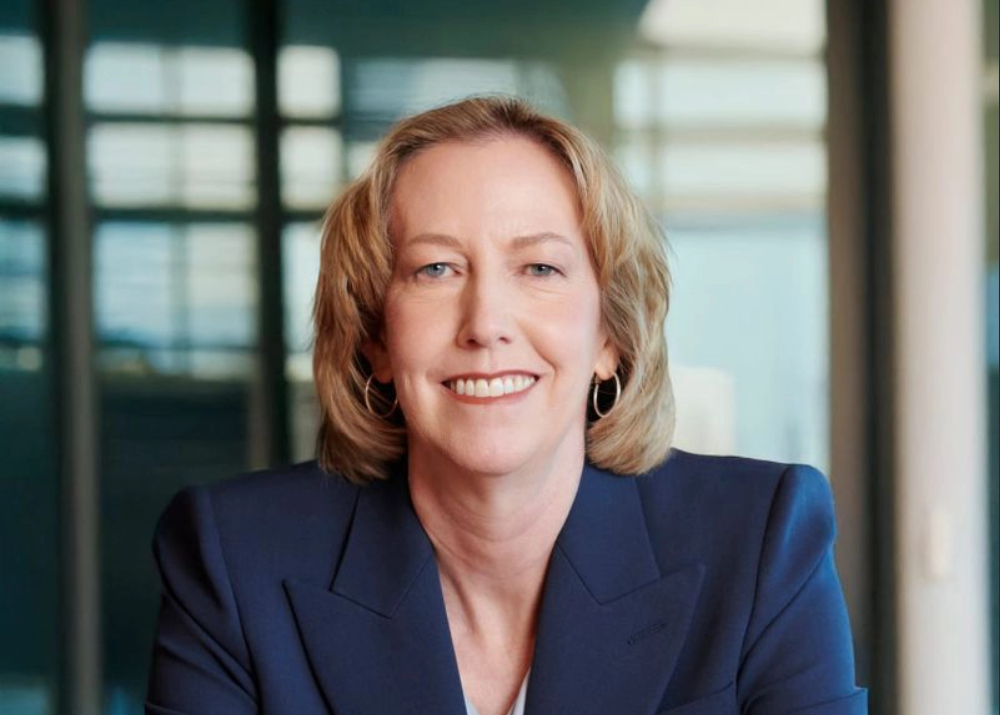
Energy has always been one of business’s most stubborn boys’ clubs — a world of pipelines, drilling rights, and boardrooms that took generations to let women anywhere near the top. In April 2026, that changed. Meg O’Neill walked into BP’s headquarters as its chief executive, and in doing so, became the first woman ever to run one of the world’s Big Oil majors. It wasn’t a symbolic appointment. BP was in genuine trouble, and Meg was hired to fix it.
An Engineer’s Curiosity, Built Early
Meg grew up in Boulder, Colorado, the daughter of an engineer, and arrived at MIT unsure whether she’d study engineering or history. She chose chemical engineering, then pivoted into ocean engineering — an early sign of the instinct that would define her career: go where the harder, more technical problem is. She left MIT with degrees in both chemical and ocean engineering, plus a master’s in ocean systems management, and pointed herself straight at the energy industry.
Two Decades of Learning the Business From the Inside
Meg spent 23 years at ExxonMobil, moving through technical and operational roles in Houston, New Orleans, Indonesia, Canada, and Norway before landing global leadership positions, including a stint as executive advisor to then-CEO Rex Tillerson. It’s the kind of resume that doesn’t happen by accident — two decades of choosing the assignments that stretch you, across enough geographies to understand energy as a genuinely global business rather than a regional one.
Turning an Also-Ran Into a Powerhouse
In 2018, Meg left Exxon to join Australia’s Woodside Energy, first as chief operations officer, then, in 2021, as CEO — taking the reins just as the world was clawing its way out of the pandemic. What followed was one of the more aggressive growth runs in the sector: she engineered the acquisition of BHP’s petroleum business, building a geographically diverse, roughly $40-billion company and turning Woodside into the largest energy business listed on the Australian Securities Exchange. Along the way, she picked up a nickname from industry press — “Meg the Merciless” — for how unsentimentally she made hard calls. In an industry that runs on decisiveness, that reputation became her calling card.
Called In to Fix What Others Couldn’t
By the time BP came calling in late 2025, the company had cycled through four leaders since 2020 and was still unwinding a renewable-energy pivot that had badly damaged shareholder returns — reportedly fending off takeover interest from a rival in the process. BP didn’t need a caretaker. It needed someone who could walk in from outside, with no institutional baggage, and make the calls nobody inside the building wanted to make. Meg, as BP’s first external CEO hire in more than a century, was exactly that bet.
In her first message to staff, she didn’t soften the moment — she acknowledged head-on that the company was operating inside real geopolitical tension, rapid technological change, and shifting global energy demand. No warm-up act. Just a direct read of the terrain, from someone who’d clearly already done the homework.
A Leadership Style Built on Discipline, Not Consensus
What stands out across Meg’s career isn’t charisma in the traditional sense — it’s discipline. Analysts brought in to explain her appointment pointed to her track record of driving transformation and growth while keeping capital allocation tight, a combination that’s rarer than it should be in an industry prone to either recklessness or paralysis. She’s also stayed visibly engaged in the industry’s broader conversations, chairing Australian Energy Producers and sitting on the boards of the Business Council of Australia and the American Petroleum Institute — not just running a company, but shaping the rules the whole sector plays by.
Why Her Story Belongs Here
Meg O’Neill’s rise matters beyond the novelty of a “first.” She spent three decades earning technical credibility in an industry that rarely extends trust quickly, built a genuine growth story at Woodside instead of just managing decline, and is now the person BP is counting on to prove the company still has a future. For any leader — in energy or anywhere else — her story is a reminder that the biggest opportunities often go to the person who’s spent the longest time quietly getting good at the hard, unglamorous parts of the job.