For many immigrant families, the first challenge in a new country is not employment or housing.
It is belonging.
Children often enter classrooms carrying invisible burdens. New languages. Unfamiliar cultural norms. Interrupted education. And the quiet fear of feeling different before they ever feel welcomed.
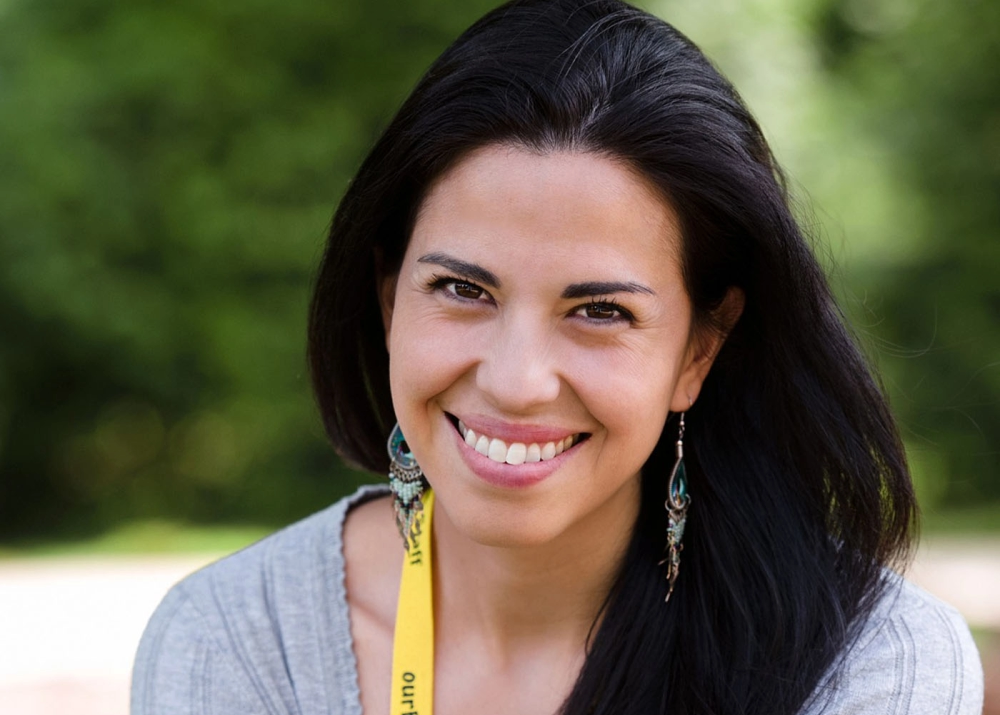
Sil Ganzó recognized this gap long before it appeared in policy conversations or education reform debates. As an immigrant from Argentina herself, she saw how traditional after school programs frequently overlooked the emotional and cultural realities immigrant children navigate every day.
Her response was not incremental change.
It was to redesign how communities support immigrant youth entirely.
An Immigrant Experience That Shaped a Mission
Ganzó’s own journey to the United States revealed a critical truth. Immigrant children adapt quickly on the surface, but adaptation does not always equal integration.
Many students learned English but struggled to maintain identity. Families worked tirelessly yet remained disconnected from school systems. Children often became cultural translators for their parents while silently managing their own emotional transitions.
She noticed that academic support alone was insufficient. What immigrant children needed first was psychological safety.
That realization became the foundation for ourBRIDGE for KIDS.
Founded to serve immigrant and refugee youth, the organization focuses on creating environments where children feel understood before they are expected to perform.
Reimagining After School Programs as Spaces of Healing
Traditional education models often prioritize performance metrics. Ganzó chose a different starting point: belonging.
ourBRIDGE for KIDS integrates three core pillars:
Socio emotional healing
Programs help children process migration experiences, identity shifts, and cultural adjustment through mentorship, creative expression, and guided emotional support.
Language inclusive learning
Rather than treating multilingualism as a barrier, the organization embraces native languages as strengths that reinforce confidence and cognitive growth.
Family integration support
Parents receive guidance navigating education systems, community resources, and social structures that often feel inaccessible to newcomers.
The approach reframes education as a community ecosystem rather than an individual academic journey.
Addressing a Growing Global Challenge
Globally, migration continues to reshape communities. Schools increasingly serve students from diverse linguistic and cultural backgrounds, yet many institutions remain designed for homogeneous populations.
Ganzó’s model addresses a growing international concern: immigrant children frequently experience social isolation, reduced academic confidence, and limited access to culturally responsive resources.
By combining education, wellbeing, and family engagement, ourBRIDGE creates continuity between home, school, and community.
The results extend beyond grades. Children develop leadership skills, emotional resilience, and a sense of identity that allows them to participate fully in their new environments.
Leadership Rooted in Empathy and Systems Change
Ganzó’s leadership reflects a broader shift in community development thinking. Rather than asking children to assimilate quickly, her work asks institutions to evolve.
Her philosophy centers on a simple principle: children thrive when systems recognize their stories.
Through partnerships with educators, local organizations, and community leaders, ourBRIDGE for KIDS now supports thousands of immigrant and refugee families, demonstrating how localized initiatives can influence national conversations around equity and inclusion.
The Road Ahead
As migration continues to define the future of global societies, community leaders like Sil Ganzó are reshaping how integration happens.
Her work shows that successful integration begins long before policy outcomes or workforce participation. It begins when a child walks into a room and feels they belong.
For organizations and policymakers alike, the lesson is clear: community development is not only about access. It is about dignity, identity, and the confidence to imagine a future in a new place.
Because when children feel they belong, communities grow stronger together.